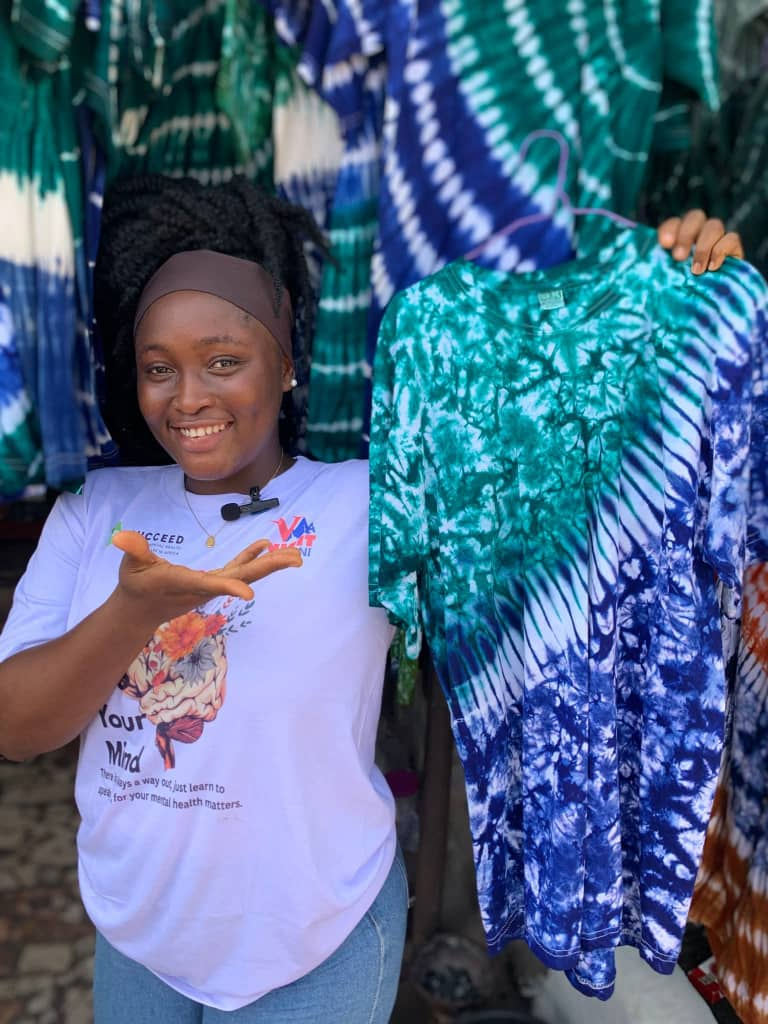
The history of fashion in Sierra Leone is deeply connected to the rich tradition of Gara tie-dye, one of the country’s most celebrated textile arts. Among the many places associated with this cultural heritage, Makeni stands out as the historic home of authentic Gara production and craftsmanship.
According to local tradition, the origins of Gara tie-dye in Makeni can be traced back to a trader known as Manikala. Traveling along the Sierra Leonean coast in search of trade opportunities, Manikala eventually settled in the area that would later become Makeni. Through his influence, trade networks, and entrepreneurial spirit, a thriving center for Gara production emerged.
Over time, what began as a small settlement developed into a flourishing industry. Makeni became renowned across Sierra Leone for its exceptional Gara fabrics, attracting traders, artisans, and customers from different parts of the country. The town grew into one of the largest centers of Gara tie-dye production, earning a reputation for the beauty, quality, and uniqueness of its handcrafted designs.
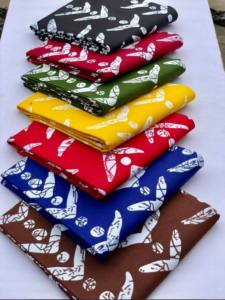
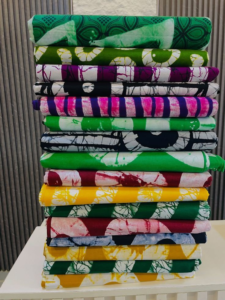
Today, Makeni continues to hold a special place in Sierra Leone’s fashion and cultural history. The legacy of Manikala remains visible in the community known as Manikala community in Makeni, which is named after the original settler whose contributions helped shape the region’s identity. This community serves as a living reminder of the town’s historical roots and its connection to the development of Gara craftsmanship.
The tradition of Gara tie-dye remains alive and vibrant in Makeni. Skilled artisans continue to practice and preserve the techniques passed down through generations, ensuring that this important cultural art form is not lost. Families and communities work together to teach younger generations the intricate processes of designing, dyeing, and creating Gara fabrics, keeping the heritage strong for the future.
As Sierra Leone’s fashion industry continues to evolve, Makeni remains a symbol of creativity, tradition, and cultural pride. Its enduring connection to Gara tie-dye reflects the resilience of local craftsmanship and the importance of preserving the country’s rich artistic heritage for generations to come.